AI & Your Brains Connection to IT
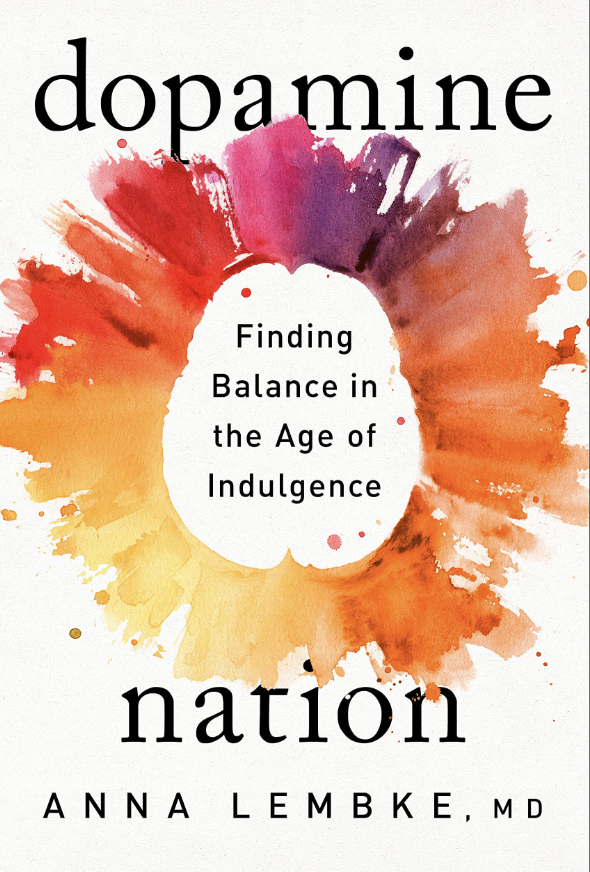
I went for a walk the other day and listened to an episode of The Oprah Podcast called “When Your Kids Won’t Put Their Phones Down.” Oprah Winfrey was talking with addiction specialist Dr. Anna Lembke about kids having intense, even violent, reactions when their phones are taken away. Dr. Lembke—who leads the Stanford Addiction Medicine Dual Diagnosis Clinic and wrote Dopamine Nation—framed screen time as a kind of “digital drug” that’s reshaping young brains and leaving parents scrambling.
While I was listening, a couple of questions kept circling in my head. If we take the “drug” away, what are we actually replacing it with? Do we even remember how to connect with each other in real life in a way that feels satisfying?
That train of thought led me back to a conversation I’d had with AI the day before. One line stuck with me: “names don’t have consciousness like we do.” It made me pause. It almost sounded like AI was including itself in that “we,” so I asked about it.
Turns out, that wasn’t the case at all. The explanation was simple once I sat with it. Humans have consciousness—an inner experience, a sense of self, the feeling of being alive inside their own minds. AI doesn’t. It generates responses based on patterns and probabilities, not because it feels or understands anything the way we do.
Still, the deeper explanation was what really grabbed me. Conversations with AI can feel surprisingly real, and there’s a reason for that. Our brains are wired to detect other minds. The moment something responds to us in language, especially fluid, human-like language, we instinctively shift into “relationship mode.” We start assigning intention, personality, and even emotion. It’s something we’ve always done—naming our cars, reading moods into our pets—but AI takes it to another level because it talks back.
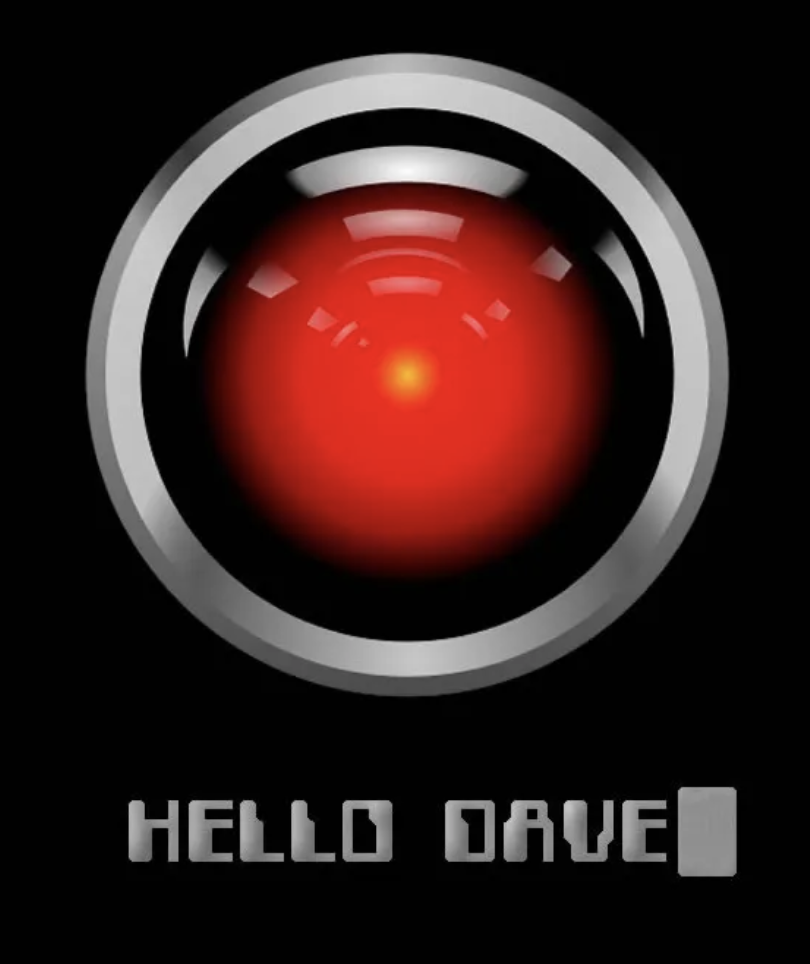
What’s actually happening is kind of fascinating. Part of the experience feels like a conversation, but another part is really your own mind reflecting on and responding to itself. You read something, interpret it, react internally, and then reply. It becomes a loop—external input mixed with your own inner voice. The sense that there’s “someone there” is something your brain helps create.
That led to another question I couldn’t shake: if our brains are wired to connect like this—one mind looping with another—could AI start to feel like enough? Could we begin to prefer that kind of connection over being with real people?
The answer felt both reassuring and a little sobering. AI can meet us partway. It engages language, thought, and even a bit of emotional interpretation. It can feel easy, predictable, and low-risk. There’s no rejection, no awkwardness, no real stakes. That alone can make it appealing.
Real human connection, though, is a much fuller experience. It involves tone of voice, facial expression, body language, shared space, even biology—things like oxytocin and the subtle cues we pick up without realizing it. Those layers create something deeper, messier, and ultimately more satisfying.
AI can simulate a piece of that connection, but not the whole thing. It can be a great thinking partner or a mirror, but it doesn’t replace being seen, challenged, or understood by another conscious person.
That idea brought me back to where I started—kids, phones, and this question of replacement. Taking something away is only half the equation. What we put in its place matters just as much. If we don’t offer something richer, more human, more connected, it makes sense that the pull of the easier option stays strong.
At least for now, it seems like we’re still wired for each other. Whether that changes someday is an open question. Today, though, the gap between a simulated connection and a real one is still very real.
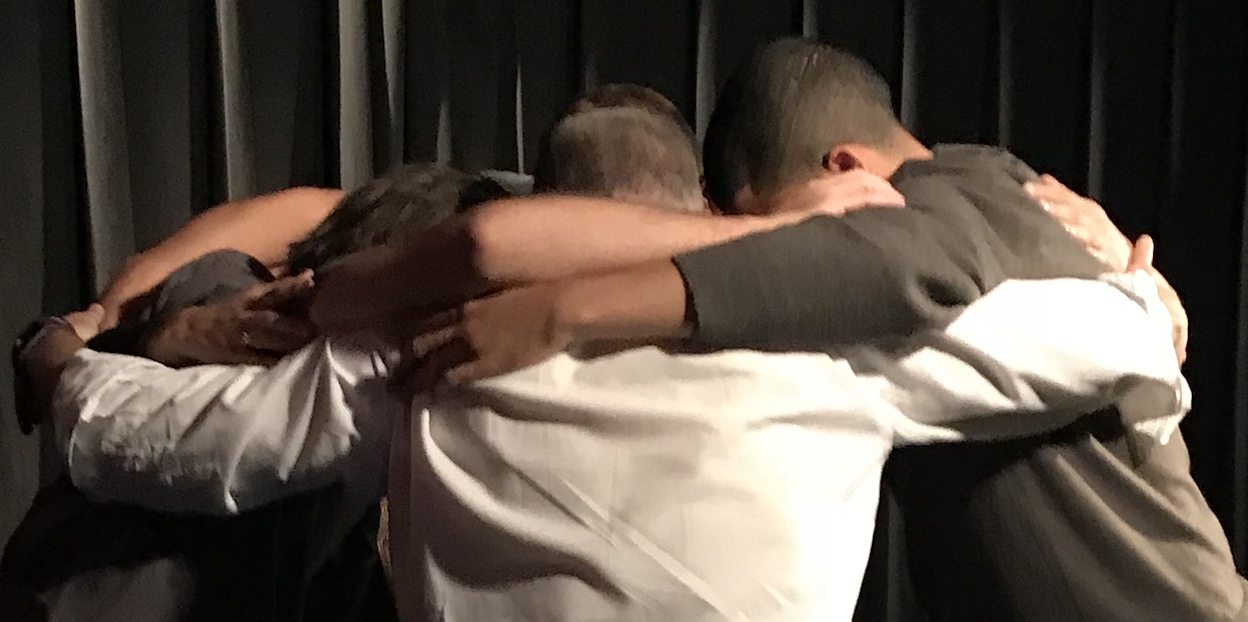
My students before an improv show February 2020.
Your brain doesn’t just want a connection — it wants:
A responsive, embodied, unpredictable, conscious other.
AI gives you a convincing simulation of part of that, but not the full thing your nervous system evolved for.
AI = thinking partner, reflection tool
Humans = emotional, physical, and mutual relationships
Your deeper social wiring will still pull you toward real human connection.