Your Face
Comedian Steven Wright is known for his signature deadpan facial expression. His humor arises from the disconnect (incongruity) between what he says and how he says it. He might say, "I'm really excited to be here," in a completely monotone voice with a blank expression. This deadpan delivery is a core part of his act and is his established comedic persona, which he has maintained for decades.
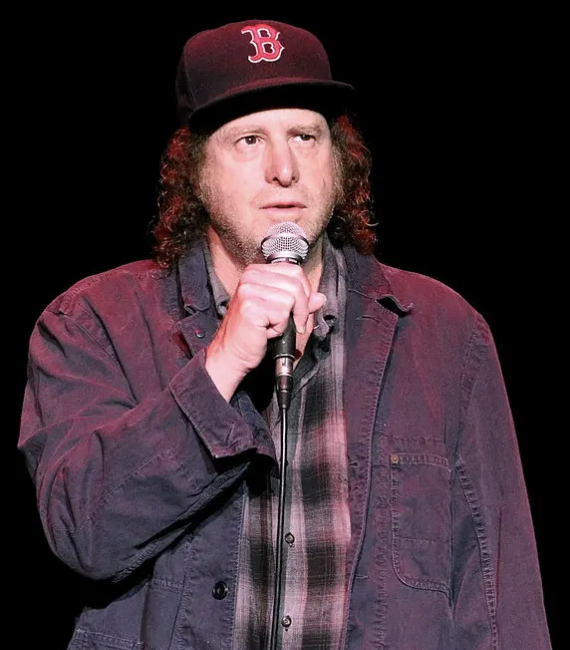
Steven Wright
What I like about Steven Wright is that his deadpan delivery is a choice. It works because he is well aware of what he is doing and the effect it will have on his listeners (laughter). When I’m coaching a business executive, they often aren’t aware of what their expression is doing, or not doing, because they are focused on their words. We want them to match. Your facial expression ideally matches your content. We call this facial congruence.
Facial Congruence:
When your face matches your content.
Smiling and giving bad news creates a feeling of uncertainty in the listener.
Saying, “I’m so happy to be here,” and having your face show no happiness means we won’t believe you.
For comedian Steven Wright, the contrast between his verbal statements and nonverbal communication makes people laugh.
For most executives, this would work against them.
Sometimes when people get nervous, they involuntarily smile. This can affect their listener. “Why are you smiling when we are fighting?” This has happened to me before. I was in a stressful disagreement with my husband, and the discomfort prompted a slow smile to pass across my face. I could feel it happening, but couldn’t stop it. “This isn’t funny! I’m feeling stressed!” I ended up saying, covering my creepy smile with my hand.
Why facial expressions matter:
Facial expressions matter because they are a fundamental form of non-verbal communication that conveys a wide range of information to your listener.
They are the most direct way to express feelings such as happiness, sadness, anger, or surprise to others.
The expressions we show can affect how others perceive us, influencing their reactions and the overall flow of a social encounter. Being expressive can make you seem more confident and trustworthy.
The ability to both express and interpret facial cues helps in navigating relationships and can prevent misunderstandings.
When it comes to speaking, we are all self-taught. Around the age of one, our brains become ready for speech, and we start to imitate the adults around us. This imitation becomes our brain pattern of speaking. This is also when we start matching facial expressions and gestures. When a client arrives for coaching, they are the sum of what they’ve taught themselves. Once we go over the criteria of brain-based speaking, they watch their first off-the-cuff film and assess what is working in their communication and what they want to improve. Occasionally, a person’s expression habit does not match the message they want to convey. There are many exercises we can do to increase their expression so it matches. I always start with voice, as with vocal variation, the face usually follows. Sometimes, the old habit of very little facial expression is so ingrained that we must isolate facial muscles to wake them up.
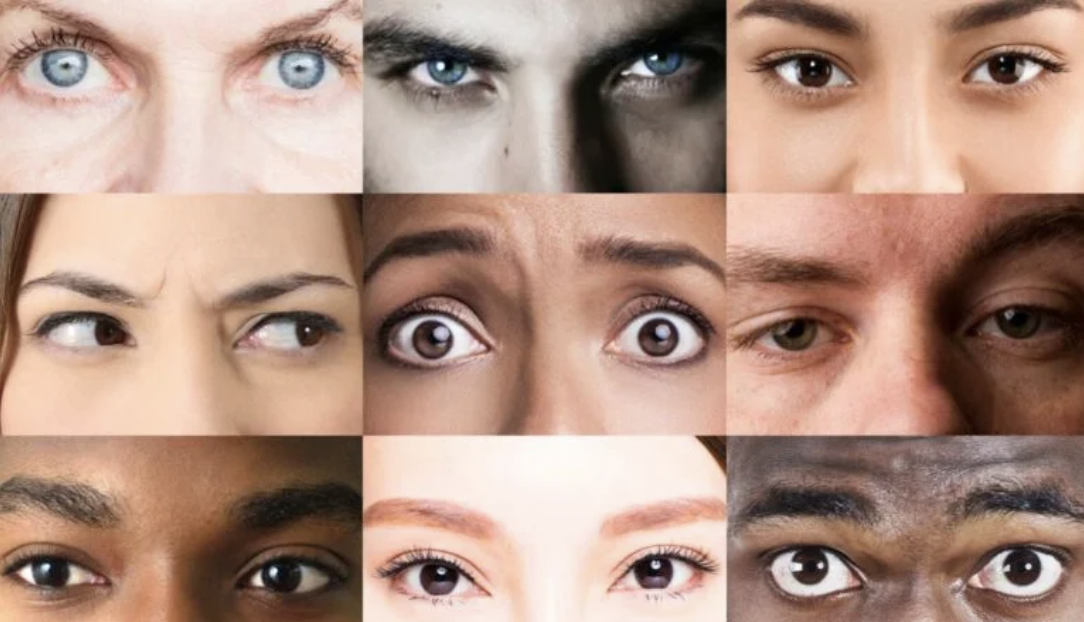
Activating the Face:
Eyebrows!
Yes, eyebrows matter significantly in speaking as they are a key component of nonverbal communication, conveying a wide range of emotions and intentions like surprise, anger, suspicion, and questioning. They also play a role in turn-taking, signaling the start of a speaking turn, and can even influence the perception of your vocal pitch and the listener's comprehension of your message, especially in cases of communicative difficulty.
How eyebrows affect communication:
Eyebrow movements are directly tied to emotions such as surprise (raised eyebrows), anger or suspicion (lowered, furrowed eyebrows), and even a desire to hear something (prolonged raising).
Eyebrows can indicate the illocutionary force of an utterance.
Illocutionary refers to the speaker’s intended action behind an utterance, such as asking, promising, or warning, rather than the literal words spoken.
Eyebrow raises often occur at the beginning of a new speaking turn, acting as a cue to signal the start of your turn to the listener.
When the nonverbal cues of eyebrows don't match the verbal message, it can create confusion. For instance, not lowering or furrowing eyebrows when refusing something can make a "no" sound like a "yes".
A quick eyebrow flash can be a greeting, while a sustained eyebrow raise can signal a desire to hear what someone has to say, helping to capture and keep attention.
Eyebrow position and shape in pictures can express emotions, convey personality, or indicate a person's personality through nonverbal cues like surprise, anger, or curiosity.
Raised eyebrows often signify surprise, shock, or interest. A quick, subtle flash can be a universal greeting, while a more sustained raise might mean you're questioning something or find it interesting.
Furrowed eyebrows can communicate anger, frustration, concern, or deep focus.
One arched eyebrow may indicate a questioning or skeptical attitude, or even a flirtatious tone.
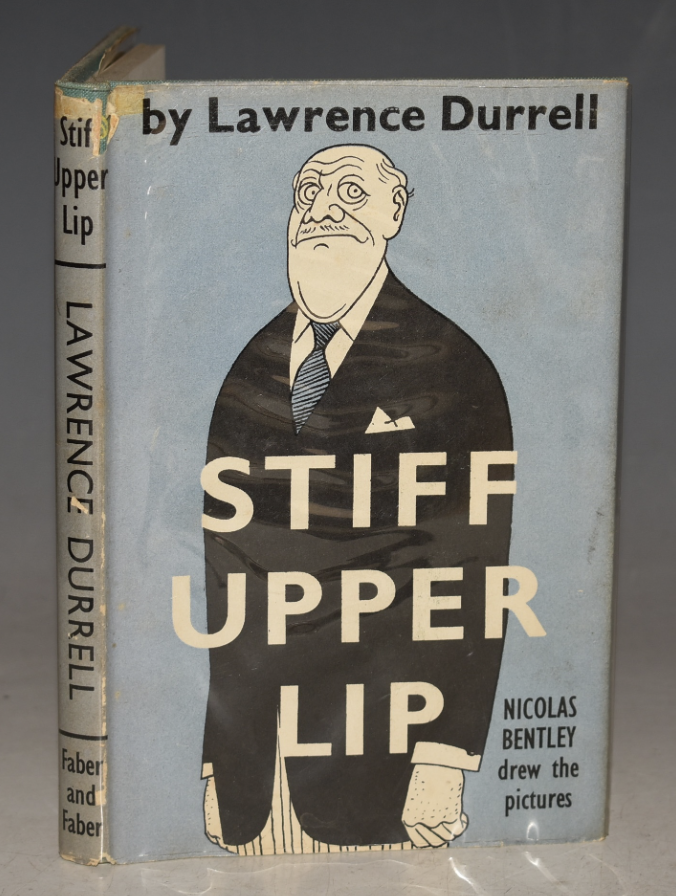
Upper Lip!
Yes, the upper lip matters significantly in communication, both for speech articulation and non-verbal expression.
It is crucial for forming words and for a wide range of facial expressions that convey emotions such as happiness, sadness, disgust, and doubt. The movement and shape of the upper lip are key to lip-reading, a vital part of how we learn to understand language.
The lips are articulators, meaning they work with other parts of the mouth to produce specific sounds.
The physical shape of the lips provides visual, phonetic information that is perceived by listeners.
The upper lip is central to most facial expressions, such as smiling, frowning, and puckering.
Micro-expressions involving the upper lip can signal stress, doubt, or that someone is holding something back.
Importance of Lip Reading:
Humans are natural lip-readers, which is how we learn to speak and understand language, especially from a young age.
The slowdown of language development seen in children during the pandemic is partly attributed to the inability to see lip movements.
"Stiff upper lip": This phrase refers to a cultural expression of stoicism or the repression of emotions, which makes it difficult to read a person's feelings from their face.
Mean What You Say:
You don’t have to be an expert in acting to know whether you believe an actor. You may know that it’s Meryl Streep, but everything she does or says rings true, so you suspend disbelief and are transported into the world she inhabits. One of the simplest directions I ever gave an improviser was, “mean what you say.” All I wanted in that moment was for that actor to believe the words that were coming out of their mouth. I wanted their voice, face, and gestures in congruence with what they were saying.
Moving a client from simply focusing on their words to conveying them to their listener’s mind through how they speak is one of my favorite parts of my job.
Take a moment to look at this scene between Charles Grodin and Martin Short from “Clifford”. Very different performances, and both are believable.
“Look at me like a human boy”: 22 seconds
https://www.youtube.com/watch?v=Xng4GYvvxTY
Here’s the longer 3-minute scene: Note the absolute commitment and believability of both actors. You absolutely believe what they are saying and doing. It all matches.
https://www.youtube.com/watch?v=k9utcDoerr0
www.333-communications.com