A Signal Change
For the last year, I’ve been aware of my chronic physical bracing. I’m fine, I’m safe, and yet I cannot get myself to melt. It’s exhausting! I do all the right things: I sleep and eat well, exercise daily, stretch, meditate, take baths, talk to a therapist, get outside in nature, give myself time off, work with a trainer and a physiotherapist on posture, and yet…
My shoulders are up to my ears.
My neck is chronically tight.
I feel tension at the base of my skull.
My body seems to be in defense mode most of the time.
I don’t seem to be relaxing even when my life is calm, so I need to figure out what my nervous system is responding to. Lived experience shows that my body doesn’t relax because I do all the right things, but it might relax if I change the signals it receives.
I’m dedicating September 2026 to a Vagus Nerve Reset. This newsletter includes a mix of what I’ve researched online and notes from my physiotherapist. After 30 days, I’ll be able to add my own thoughts and experience, but for now I’m a student sharing information that I hope will help us all.
Please join me in proactively regulating our nervous systems. I’ve read that if we do these exercises in the morning, midday, and evening, we can change the signal that is making us feel that bracing tension.
The Upper Cervical Connection
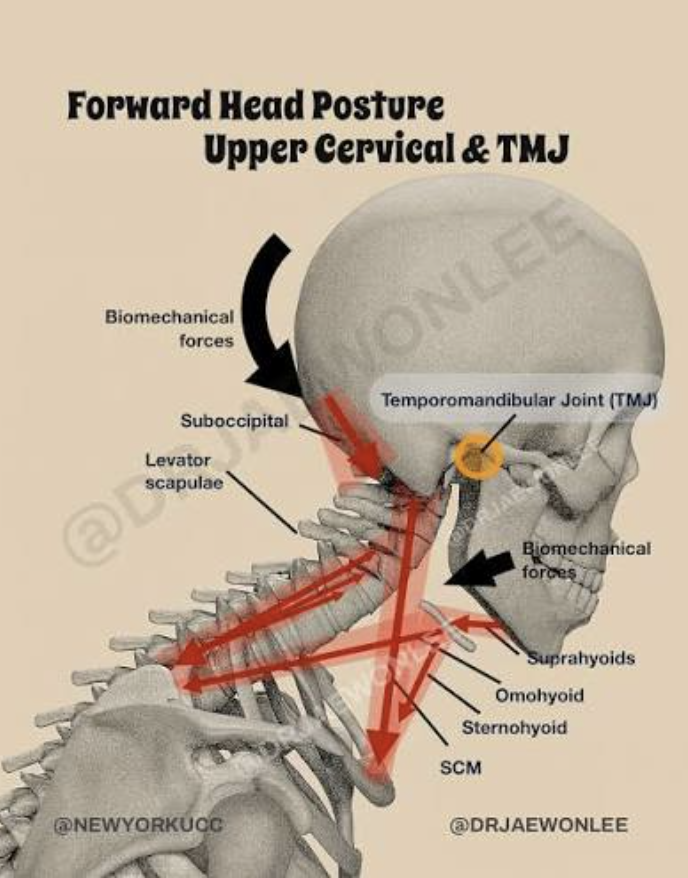
The upper cervical spine is one of the body's most important sensory regions. The atlas and surrounding muscles, joints, and ligaments give the brain information about head position, movement, balance, and threat. If the input is distorted, you may feel bracing tension.
Morning: The Vagal Reset & Tone
Goal: Wake up your parasympathetic nervous system and set a calm physiological tone for the day.
The Vagus Nerve Ear Massage (1–2 minutes):
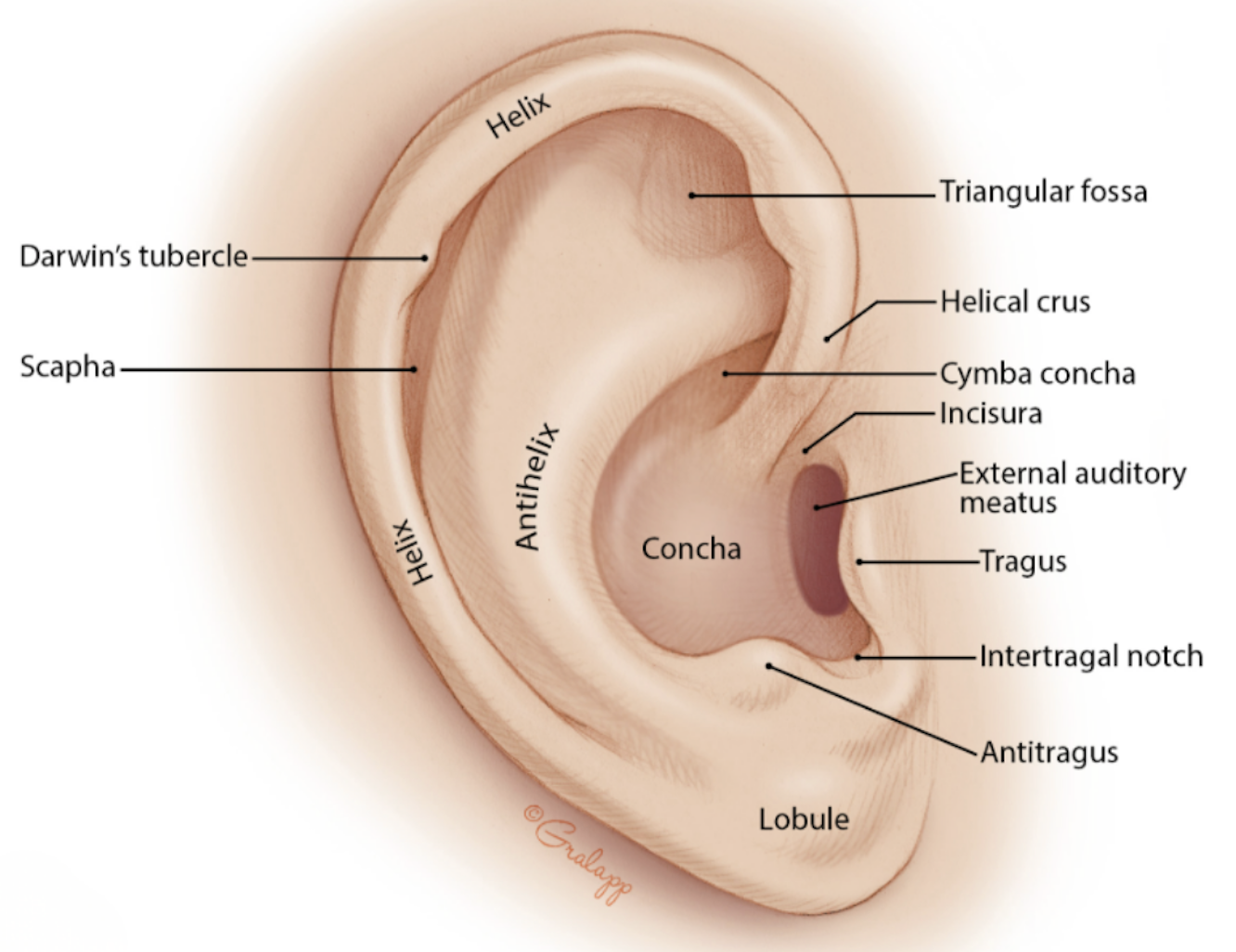
The vagus nerve has a rare superficial branch that terminates right in the outer ear (the concha, just outside the ear canal). Massaging this area sends a direct electrical signal up to the nucleus tractus solitarius in the brainstem. The brainstem interprets this touch as a safety signal. It switches off your "fight or flight" (sympathetic) response. Your heart rate drops, your muscles relax, and you feel calm within one to two minutes.
Using your index finger and thumb, gently massage the inside bowl of your ear in slow, circular motions.
Pulling gently down and back on the earlobe also stimulates this path, sending an immediate calming signal to your brainstem.
The Basic Reset (1 minute):
Sit up straight or lie on your back.
Interlace your fingers and place them behind the back of your head, interlacing the base of your skull.
Keeping your head pointing straight forward, look with your eyes as far to the right as you can until you naturally yawn, sigh, or swallow (typically 30–60 seconds).
Bring your eyes back to center, then look as far to the left as you can until you experience the same release.
This physically relaxes the top two vertebrae, releasing tension around the vagus nerve exit point.
The "Yawn" Rule: The yawn or swallow is not optional—it is the biological marker that your nervous system has successfully switched gears. If it doesn't happen, pause for a moment and try again.
How the “Basic Reset” by Stanley Rosenberg Works:
Activating the Oculocardiac Reflex (The Eye Movement)
When you shift your eyes completely to the far right or left without moving your head, you put prolonged physical tension on your extraocular muscles.
The Reflex Arc: This muscular stretch triggers the ophthalmic branch of your trigeminal nerve. This nerve sends sensory signals straight to the brainstem.
The Vagal Response: Inside the brainstem, these pathways synapse directly with the motor nucleus of your vagus nerve. This triggers a parasympathetic response that automatically tells the vagus nerve to slow your heart rate, lower your blood pressure, and shift your body from a "fight-or-flight" stress response to a "rest-and-digest" state.
Decompressing the Vagus Nerve Exit Point (The Hand Position)
The vagus nerve exits your skull through a tiny opening called the jugular foramen, which sits right at the base of your skull, structurally adjacent to your top two neck vertebrae.
When you are stressed, the deep suboccipital muscles at the back of your neck clench, compressing these vertebrae and restricting local blood flow.
Interlacing your fingers and cradling the base of your skull forces your head to remain straight while your suboccipital muscles are compelled to lengthen. Moving your eyes while keeping the neck stationary forces these tiny, deep neck muscles to turn off, physically repositioning your top two vertebrae. to lift pressure off the surrounding tissues.
Brainstem Communication (The Involuntary "Release")
By holding the extreme eye gaze, you are essentially "holding open" that neural loop. The brainstem controls both your eye muscles and the vagus nerve.
As the nervous system registers this constant input and realizes you are not in danger, it abruptly shifts its autonomic tone.
The natural yawn, sigh, or swallow is the physical manifestation of this neurological shift. Yawning and swallowing are heavily modulated by vagal branches in your throat and palate. When the vagal tone resets, it triggers an involuntary contraction of these throat muscles, signaling that the body has successfully switched out of a protective, defensive bracing mode.

Our dog Dutch (2009-2022) would sigh loudly. His sighs always made us laugh, but he had the right idea, as animals and nature usually do.
Midday: Deep Somatic Grounding
Goal: Discharge the stress and adrenaline built up from a busy morning or high-pressure tasks.
Environment: If possible, do your midday reset in a different room or location other than where you conduct your main training, to help your brain associate that space with regulation.
The "Physiological Sigh" Check-in (2 minutes):
Take two quick, consecutive inhales through your nose (one deep breath, then a sharp "top-off" sip of air), followed by a long, slow, audibly relaxed exhale through your mouth.
Do this 3 times in a row.
It is the fastest, clinically verified way to instantly lower your heart rate and dump carbon dioxide from your blood, halting a creeping fight-or-flight spike.
Somatic Shaking (1-2 minutes):
Animals in the wild physically shake their bodies to discharge cortisol and adrenaline after surviving a predator threat. A specific nervous system pathway driven by hair follicle receptors triggers this rapid reflex. Humans tend to bottle it up!
Stand up and spend 60 to 90 seconds loosely shaking out your hands, arms, shoulders, and legs.
Let your jaw hang loose. It feels silly, but it physically releases muscle bracing and breaks up structural tension loops.

May 2008: I discovered somatic shaking works!
Excerpt from a longer story on Substack you can click here: https://jomcginley.substack.com/p/2008
I looked through my bags and saw everything there, except an expensive pair of sunglasses I had just purchased. Every single time I invest in sunglasses, I lose them. The next morning, I went back to the scene of the crime to look for them. Someone had put my lipstick on a fence post, so I got that back, but the sunglasses were gone. An older man with a thick accent was sweeping his steps and asked me what I was looking for. I told him what happened. He said, “You know what you must do? You must let go of your fear. In my country, releasing fear - not holding on - is very important. Tell your husband to have a glass of very cold water handy. When you least expect it, he must throw it on you; you will scream and be much better.”
Several days later, I was leaning over the sink brushing my teeth when suddenly ice-cold water hit the back of my neck. I screamed and then sobbed in my husband’s arms, finally releasing the experience.
Evening: Core Down-Regulation
Goal: Signal to your brain that the "hunting and gathering" of the day is done, prepping your body for deep recovery and sleep.
The 4-7-8 Breathing Protocol (3 minutes) 4 Cycles:
Inhale through your nose for 4 seconds.
Hold that breath at the top for 7 seconds.
The hold is critical, as it stabilizes the heart's pace
Exhale completely through your mouth, making a "whoosh" sound for 8 seconds.
The long, restricted 8-second exhale strongly engages the parasympathetic "rest and digest" pathway.
Weighted Cold Compress (5 minutes):
Before getting into bed, place a cold gel pack, an ice pack wrapped in a towel, or a cold water bottle directly onto the center of your chest (over your sternum) while lying down.
The vagus nerve runs directly underneath this area.
The combination of slight weight and cold activates the diving reflex, which slows your heart rate, constricts blood vessels appropriately, and switches off the survival brain so you can sleep soundly.
Another option: The Suprasternal Notch (Dr. Berg's Technique):
Place your finger in the small groove at the very top of your sternum (just below your throat) and hold with light, circular pressure for 1 minute.
Other options throughout the day:
The Inner Wrist:
Place your thumb three finger-widths below your inner wrist crease, between the two tendons.
Press firmly in circular motions for 1–2 minutes to reduce anxiety and settle the body.
Side of the Neck:
Use light-to-moderate upward strokes on the side of your neck (starting at the collarbone and moving up) to evoke a relaxation response.
Always use gentle to moderate pressure. Never press hard or aggressively on the carotid arteries (the sides of your neck near your pulse), as this can trigger a drop in blood pressure.
I hope to meet you on the other side of this chronic bracing situation. This newsletter is based on my exploration, but it is not my area of expertise. If you know something different or better to try, I’m all ears!